This is a quiet place: a body of practice for those who want to steady their attention, deepen their awareness, and live with more presence than ordinary life usually asks of us. It is a path less traveled, offered with humility, in a spirit of service, and with deep respect for the work itself. The work is the path, and the path is not easy.
It may help to say plainly what this place is not. It is not a religion, a cult, a social club, or a community to join. It is not designed to harvest your data, your attention, or your allegiance to any state or organization. It does not diagnose or treat. It is a desk, and on it are some instructions.
Much of what is called spiritual development today has drifted into three quiet traps. The first is comfort. Many modern tools work like digital spas: they offer relief and a pleasant change of state, but not the friction that lasting change requires. Comfort is pleasant, but it does not build the inner strength you need to hold your ground in a noisy world. Your attention is the most valuable thing you have. Protect it.
The second is dogma. Older traditions often wrap profound truths in needless mystery, archaic vocabulary, and institutional weight. A grounded modern mind does not need another church, and you certainly do not need more people telling you what to think. You need room to think for yourself.

The third is hierarchy. Too many groups put devotion, titles, and membership ahead of the inner work. Trading the pressures of modern society for the approval of a spiritual social club only swaps one form of capture for another. Steadiness is never found in someone else’s approval. A robe will not do the work for you. Discipline will.

This desk offers another way. It takes no political side, wants nothing from you, and carries no dogma. It takes the working methods of old contemplative traditions and retells them in plain English for the present day. Human attention has long been held captive by fear, by craving, and by the loops that feed on both. The aim here is to step out of that noise, repair your attention, and build a mind that is not easily moved.
It is simpler than it sounds: less noise, a steadier body, and a mind that can stay with one thing. That is enough work for a lifetime. These pages assume an adult who can keep a boundary and sit still for a few minutes without being entertained. If that is not possible today, leave the desk and come back another day.
You do not need to adopt a new belief system to be here. You can follow the paid writings in order, as a path, or simply take the one practice that serves you today and leave the rest. We can only show you the door. You are the one who has to walk through it.
Who keeps this desk
The desk is kept by one practitioner, a scientist by training, who came to this work the hard way.
The opening arrived before any instruction did. It came fast, with little ground beneath it, and the advice on offer was well meant and mostly useless: try hot yoga; try a float tank. Within the year, in the back of an ambulance, his heart went into crisis and his breathing stopped. He has died once already, and was brought back.
He remembers a black sand beach beside a dark, warm river, and a stillness more real than anything here. He does not long to return to it. But fear has had much less to hold on to since.
What steadied him afterward was slower and plainer: a body brought back to the ground, attention trained on purpose, and the old contemplative methods, read closely and practiced every day, alongside an ordinary working life and the losses that come in time.
This desk holds the instructions he needed and could not find. He is further along in some places than in others, and he claims no title. The work is the teacher here.
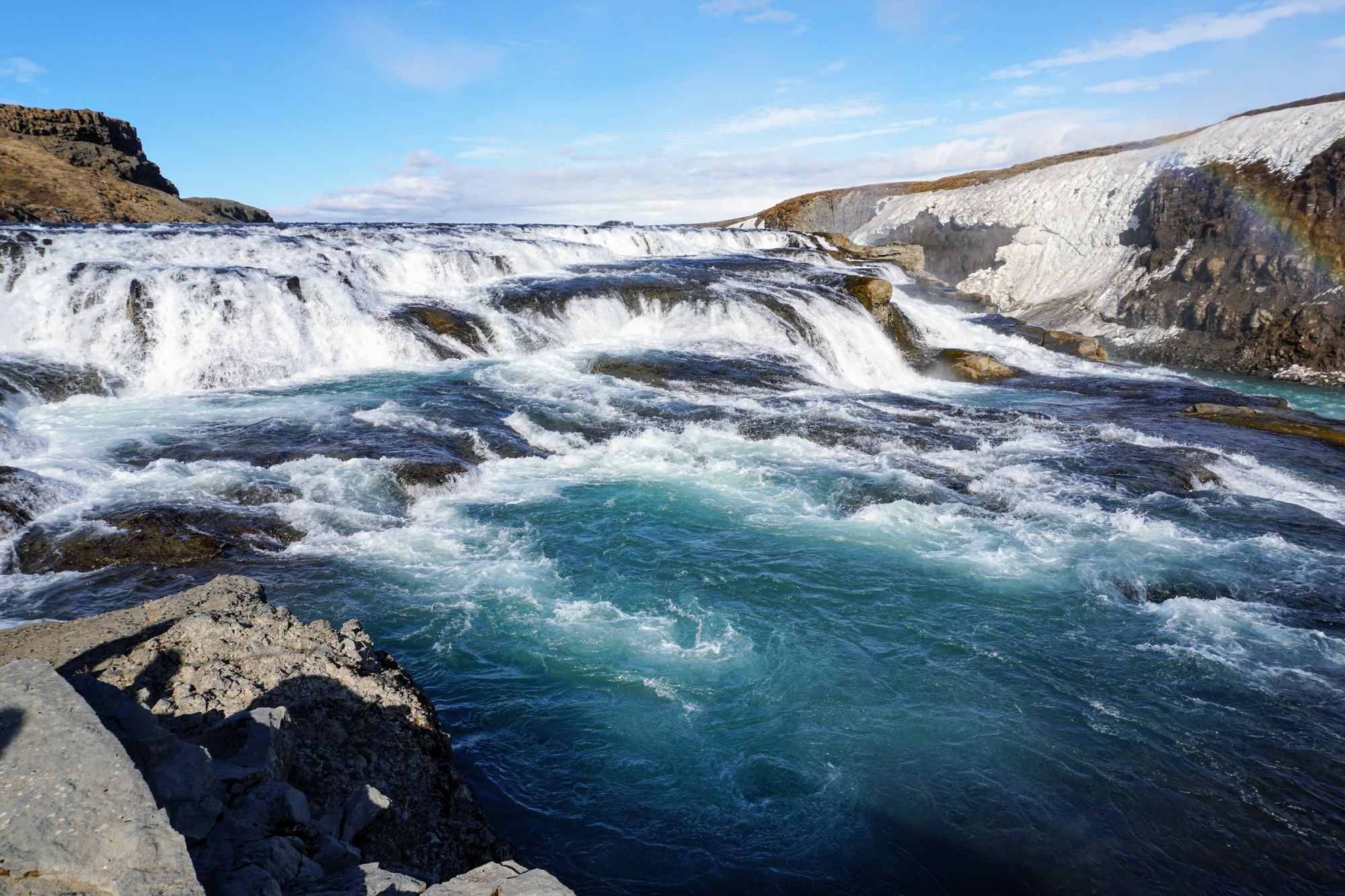
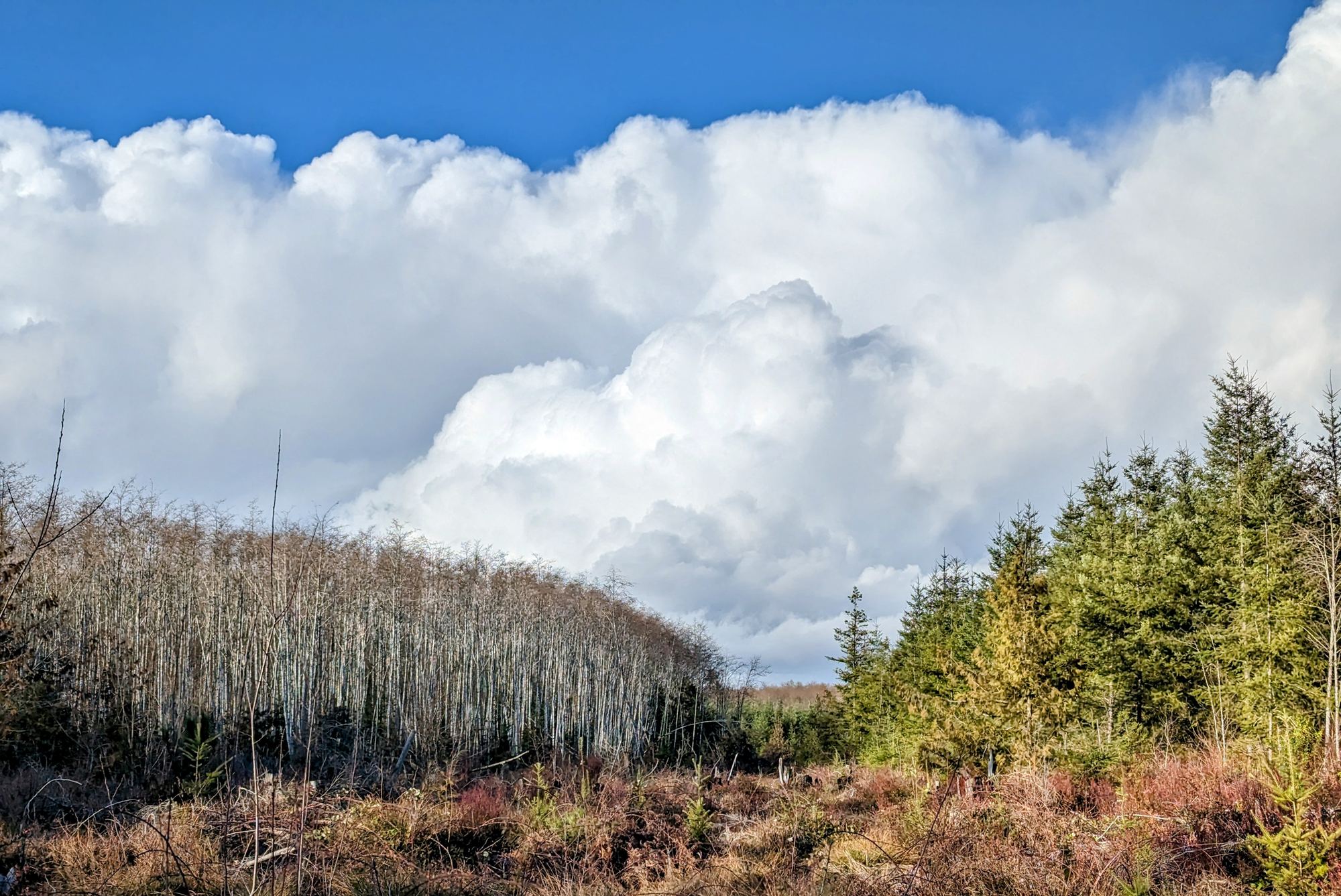
The photographs are simply pictures of the outdoors, taken over many years. The physical world can be a very beautiful place. Enjoy your time here.